Introduction
Hurricane season in the Florida Keys runs from June through November—and for vacation rental owners in Marathon, Duck Key, Key Colony Beach, and Grassy Key, hurricane preparation for vacation rentals isn’t optional. It’s essential.
When you own a vacation rental in the Middle Keys, you’re protecting both your asset and your guests’ safety. A well-prepared property experiences less damage, recovers faster, and maintains guest confidence even during storm alerts. Neglecting hurricane preparation can lead to costly water intrusion, mold growth, structural damage, and liability issues that linger long after the storm passes.
This guide covers the complete process: securing your property, protecting systems, managing water risk, and why professional inspection and cleaning before hurricane season gives you peace of mind. Whether you manage one property or multiple units across Marathon and the Keys, these steps apply to vacation rentals of any size.
Why Hurricane Preparation for Vacation Rentals Matters
Vacation rental properties face unique hurricane risks. Unlike primary residences where owners make judgment calls daily, vacation rentals operate with rotating guests, seasonal turnover, and tight scheduling. A hurricane can arrive with little warning—and you need systems in place that work whether you’re on-site or managing remotely.
Key risks vacation rental owners face:
- Water intrusion through windows, doors, and roof penetrations
- Flooding in ground-level units and coastal properties
- Mold and mildew growth in humid, wet conditions
- Furnishings and appliances destroyed by saltwater damage
- Guest cancellations and revenue loss during season recovery
- Liability if guests are injured due to inadequate preparation
- Property damage claims and insurance complications
The advantage of professional preparation: Licensed, insured cleaning and inspection services catch issues before the storm—loose caulk around windows, clogged gutters, compromised weatherstripping, or water damage from previous storms that weakened structural integrity. One pre-season inspection can prevent tens of thousands in damage.
When to Prepare: The Timeline
June: Review your insurance policy. Verify coverage limits, deductibles, and what’s included (or excluded). Contact your agent now—after storm season, you won’t reach anyone.
July–August: Schedule property inspection and professional cleaning. This is when contractors have availability; wait until September and you’ll join a three-month queue.
September 1: Complete all structural prep, cleaning, and testing.
October–November: Maintain readiness. Check weather forecasts weekly via the National Hurricane Center for the latest tracking and landfall projections. Perform quick touchups before any named storm.
Securing Windows, Doors, and Roof Access
Inspect and Seal Windows
Windows are the most common entry point for hurricane-force winds and driving rain. Loose frames, missing caulk, or deteriorated weatherstripping create vulnerabilities that expand under pressure.
Action steps:
- Walk around your property with a flashlight. Look for visible gaps or separation between the window frame and the wall.
- Run your hand around the interior seal. If you feel draft or air movement, the weatherstripping is compromised.
- Check caulk along the exterior. Cracking, gaps, or missing sections allow water infiltration.
- Test each window and door. They should open and close smoothly without binding or gaps.
For vacation rentals in Marathon, Duck Key, and Key Colony Beach: Salt air corrodes metal frames and degrades sealants faster than mainland properties. Have a professional inspect at least annually during hurricane season.
Professional solution: Licensed contractors can re-caulk, replace weatherstripping, or install hurricane-rated film—a transparent polyester layer that holds glass together if impact occurs. This protects both structure and guests.
Secure Doors and Sliders
Sliding glass doors and French doors experience enormous outward pressure during hurricanes. Even new installations can fail without proper reinforcement.
- Verify both the upper and lower tracks slide freely and close completely.
- Check that deadbolt locks engage fully.
- Inspect door frames for rot or deterioration, especially in ground-level units.
- Ensure door sweeps and gaskets are intact.
Reinforcement options: For maximum protection, install hurricane-rated sliders or impact-resistant frames. For temporary reinforcement, plywood installation over glass doors (pre-cut and pre-drilled) provides structural backup. Many vacation rental owners in Grassy Key and Duck Key keep pre-cut plywood sets ready each September.
Check Roof and Upper Story Entry Points
Water enters from above first. Roof penetrations—vents, skylights, HVAC openings, antenna mounts—are pressure points.
- Walk the roof (safely) and look for missing shingles, lifted edges, or deteriorated flashing.
- Check around every vent and pipe penetration. Caulk should be intact.
- Verify gutters are clear and securely fastened.
- Look for any areas where branches overhang the roof.
Professional roof inspection by a licensed contractor is one of the highest-ROI pre-season investments. A $200 inspection often prevents $20,000 in water damage.
Water Damage Prevention and Moisture Control
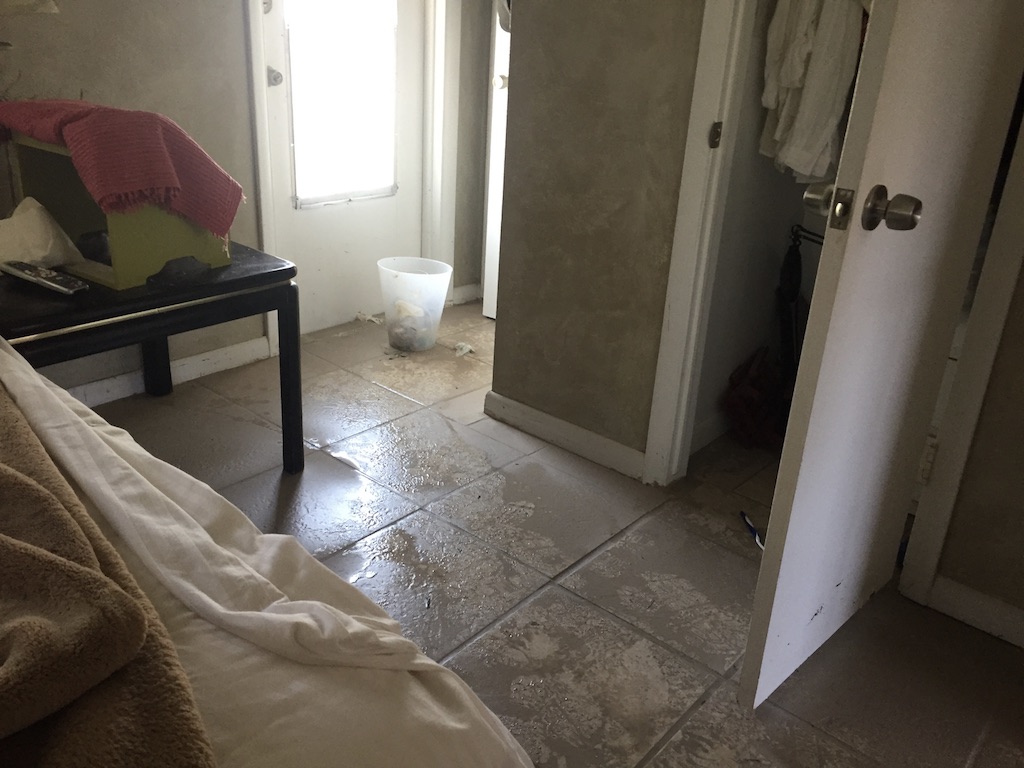
Water damage compounds quickly in humid climates. Within 24–48 hours of moisture exposure, mold colonies begin forming. By day 5, structural damage becomes permanent.
Protect Ground-Level Units and Basements
Coastal and ground-level vacation rentals in Marathon and Key Colony Beach face the highest flood risk.
- Install sump pumps or backup pumps on a separate power source.
- Move electrical panels and utilities above expected flood levels where possible.
- Keep basement or ground-floor areas clear of stored items that can’t survive moisture.
- Store important documents and valuables on upper levels.
For vacation rentals: Consider flood barriers or temporary levees around entry doors if your property is in a high-risk zone. These inflate or deploy quickly and cost $300–$800 per unit—far cheaper than flood damage cleanup.
Dehumidify Closed Properties
An empty, sealed vacation rental becomes a humidity trap. Rising moisture encourages mold growth and odor.
- Leave interior doors open to allow air circulation.
- Install battery-powered or solar-powered ventilation fans.
- If the property is unoccupied, consider leaving a window slightly cracked (with board reinforcement over it) to allow air flow.
- Use commercial-grade dehumidifiers in bedrooms and storage areas during high-humidity months.
Property Contents and Asset Protection
Photograph Everything
Before hurricane season begins, photograph and video-record your vacation rental’s contents—furniture, appliances, fixtures, amenities, and condition.
- Take dated photos of each room, including close-ups of any pre-existing damage.
- Record exterior views, roof condition, landscaping, and parking areas.
- Store photos in cloud storage (Google Drive, iCloud, Dropbox) so they’re accessible even if your on-site devices are damaged.
Insurance benefit: Photos are proof of ownership, condition, and value when filing claims. Without them, insurance adjusters work from memory and estimates.
Secure or Remove Loose Items
High winds turn small objects into dangerous projectiles.
- Secure patio furniture, grills, and planters—or move them indoors.
- Remove trash cans, pool toys, and decorative items from exterior areas.
- Trim tree branches that overhang the property.
- Ensure all signs, awnings, and temporary structures are securely fastened.
System Readiness and Backup Power
HVAC and Electrical Systems
Before hurricane season, have your HVAC system serviced and tested.
- Verify the system runs smoothly without unusual sounds.
- Replace or clean air filters.
- Have a licensed technician check refrigerant levels and electrical connections.
Backup power: For vacation rentals in Grassy Key, Duck Key, and Marathon, consider a portable generator or automatic transfer switch. Guests need power for refrigeration, phone charging, and basic comfort during outages lasting hours or days.
Plumbing and Water
- Test all faucets, showers, and toilets.
- Verify the water shut-off valve is accessible and functional.
- Know how to locate and operate it—and provide clear instructions to guests.
- Check for any leaks under sinks or around appliances.
Professional Pre-Hurricane Inspection and Cleaning
This is where owners in Marathon, Duck Key, Key Colony Beach, and Grassy Key gain the most protection.
What Professional Inspection Includes
A licensed, insured inspection identifies vulnerabilities that untrained eyes miss:
- Structural integrity: Roof condition, flashing, siding, foundation, and framing.
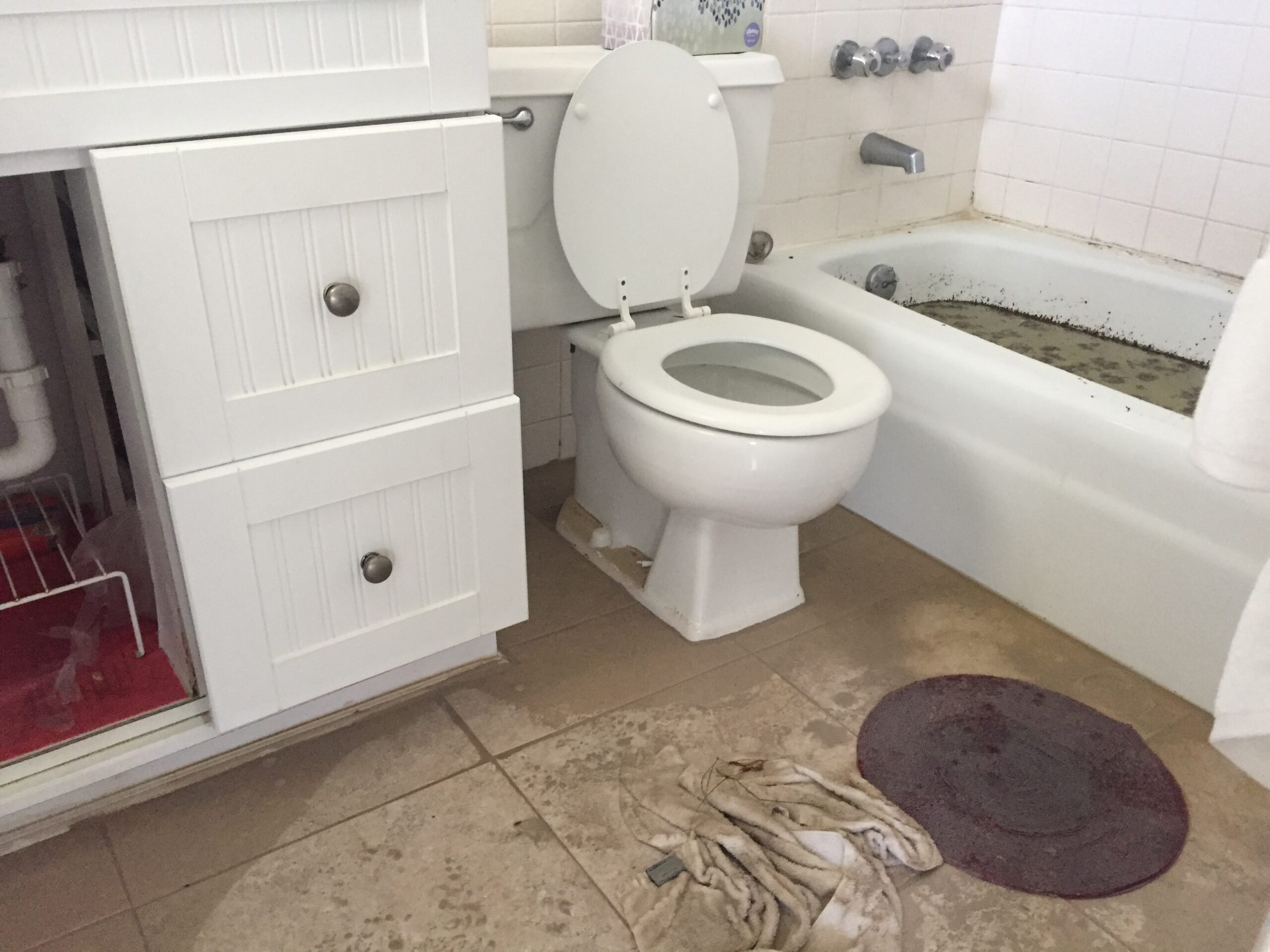
- Water intrusion points: Caulking, weatherstripping, window frames, door seals, and previous water stains.
- System functionality: HVAC, electrical, plumbing, appliances.
- Safety hazards: Loose fixtures, damaged railings, or electrical concerns.
- Exterior security: Fencing, locks, gate functionality, and vulnerable entry points.
When hiring outside contractors, verify their credentials through Florida’s verified licensed contractor database to ensure qualifications and insurance compliance.
Deep Cleaning Before Season
Vacation rental turnover cleaning is essential—but pre-hurricane deep cleaning goes further.
Professional cleaning removes:
- Dust, debris, and allergens from HVAC vents and filters
- Mold spores from bathroom grout and tile
- Salt residue from windows, frames, and exterior surfaces
- Grime from air intakes and ventilation passages
- Built-up moisture and odor in closed spaces
Why it matters: A clean property with clear vents, functioning HVAC, and dry conditions resists mold growth far better than one with pre-existing moisture problems. When water does enter post-storm, a clean property recovers faster. For detailed turnover protocols, see our vacation rental turnover cleaning guide.
Securing Guest Communications and Safety
Clear Hurricane Policy
Your rental agreement should address hurricane protocols:
- What happens to reservations if a hurricane threatens?
- Does the guest receive a full refund, rebooking credit, or partial refund?
- When do you require property evacuation?
- How do guests communicate if they’re currently staying during a storm watch?
Recommendation: Work with your property manager or attorney to draft a hurricane clause. Post it on your booking platform and in your guest welcome materials.
Emergency Contact Information
- Provide guests with a primary contact and an out-of-state backup.
- Include evacuation route maps.
- List nearby shelters and emergency services.
- Provide the address of a contractor or emergency service they can call if damage occurs.
After-Storm Inspection and Cleanup
Your preparation doesn’t end when the storm passes. Immediate post-storm action prevents secondary damage.
Initial Walkthrough
Within hours of the storm clearing:
- Visually inspect the exterior for obvious damage (missing shingles, downed branches, broken windows).
- Check interior for water intrusion, including upper levels and attics.
- Smell for gas leaks. If you detect gas odor, evacuate and call emergency services.
- Check appliances and electrical systems before using.
Professional Cleanup and Restoration
Hire licensed restoration contractors immediately. Mold growth accelerates in the 24–72 hour window after water exposure.
Professional services include:
- Water extraction and dehumidification
- Mold testing and remediation
- Structural drying
- Content restoration (furniture, fabrics, personal items)
- Documentation for insurance claims that accelerates reimbursement and recovery
Hurricane Preparation Checklist for Vacation Rentals
| Task | Timeline | Responsible Party |
|---|---|---|
| Review insurance policy and coverage limits | June | Owner/Insurance Agent |
| Schedule professional inspection | July–August | Owner/Contractor |
| Inspect and seal windows and doors | August | Contractor or Owner |
| Clear gutters and roof debris | August | Contractor or Owner |
| Service HVAC and electrical systems | August | Licensed Technician |
| Take property photos and video | August | Owner |
| Install hurricane shutters or film (if needed) | August–September | Contractor |
| Professional deep cleaning | September 1 | Licensed Cleaning Service |
| Secure or remove exterior items | September 1 | Owner |
| Test water shut-off and backup systems | September 1 | Owner |
| Update guest emergency contact information | September 1 | Owner/Property Manager |
| Brief property manager or caretaker on procedures | September 1 | Owner |
| Monitor weather forecasts weekly | October–November | Owner |
| Verify guest evacuation plan before storm arrival | Storm Watch | Owner/Property Manager |
| Document all damage with photos immediately post-storm | Post-Storm | Owner |
| Contact insurance adjuster within 24 hours | Post-Storm | Owner |
| Hire restoration contractor for water/mold assessment | Post-Storm | Owner |
FAQ: Hurricane Preparation for Vacation Rentals
Q: What’s the difference between a hurricane watch and a hurricane warning?
A: A watch means a hurricane is possible within your area in the next 48 hours. A warning means a hurricane is expected within 36 hours. Both require immediate action—finalize preparations during a watch; during a warning, guests should evacuate.
Q: Should I evacuate guests, and when?
A: Yes. Evacuate when a hurricane warning is issued for your area. Many property owners require evacuation at the watch stage to avoid road congestion. Check your rental agreement for your evacuation trigger point.
Q: Do I need hurricane shutters?
A: Not always required by law, but highly recommended if your property has large windows or multiple glass doors. Shutters or impact-resistant film significantly reduce damage risk. Many properties in Marathon and Duck Key use plywood—affordable and effective.
Q: How often should I have my property inspected?
A: Annually, before June 1. Coastal salt air accelerates deterioration of sealants, weatherstripping, and hardware. Annual inspection catches issues early.
Q: What does professional pre-hurricane cleaning include?
A: Deep cleaning of all surfaces, HVAC vent cleaning, mold prevention treatment, gutter clearing, exterior pressure washing, and systems testing. It goes far beyond standard turnover cleaning.
Q: Will my insurance cover hurricane damage?
A: Standard homeowner or rental policies cover wind and some water damage. However, flood damage (water from storm surge, heavy rain accumulation, or overwhelmed drainage systems) requires separate flood insurance. Most policies also have high deductibles—$1,000–$5,000 or higher.
Q: How can I protect my property if I can’t be there before a storm?
A: Hire a licensed local contractor who can pre-position plywood, secure items, and perform last-minute inspections. They can also photograph damage and file the initial insurance report if the property is damaged.
Q: Should I leave the property empty during hurricane season?
A: Not necessarily. If your property is well-prepared and you manage guest cancellations proactively, keeping it available for early-season guests (June–August) maximizes revenue. Reduce bookings in October–November when storm frequency peaks.
Q: What’s the cost of professional hurricane preparation?
A: Inspection and deep cleaning typically run $300–$800 depending on property size. Structural improvements (weatherstripping, caulking, shutters) cost $500–$3,000. These investments return value quickly through reduced damage and faster recovery.
Why Choose Lee Lapid Housekeeping for Hurricane Preparation
Preparing a vacation rental for hurricane season requires more than a checklist—it demands local knowledge, professional standards, and accountability.
Here’s what sets Lee Lapid Housekeeping apart:
- Licensed and Insured – We carry full liability and workers’ compensation insurance. You’re protected if any damage occurs during our work.
- 27+ Years Local Experience – Since 1997, we’ve weathered every hurricane season in Marathon, Duck Key, Key Colony Beach, and Grassy Key. We know what works.
- Comprehensive Inspection and Cleaning – We go beyond turnover cleaning to assess structural vulnerabilities, test systems, and contact owners when something requires their attention.
- Emergency Response – When storms hit, we’re available for immediate post-damage assessment and can coordinate restoration contractors.
- Trusted by Property Managers and Owners – 4.9-star rating, 3x Nextdoor Neighborhood Fave, and recommendations from over a decade of satisfied clients.
- Flexible Scheduling – We work around your bookings and deadlines, including pre-season rush periods.
Ready to Prepare Your Property?
Don’t wait until September to prepare. Hurricane season is already here, and property owners who act in July and August avoid the contractor rush and gain peace of mind.
Schedule your professional hurricane preparation inspection and deep cleaning today:
📞 (305) 395-0588
📧 lee.lapid@yahoo.com
🌐 leelapidhousekeeping.com
We serve Marathon, Duck Key, Key Colony Beach, and Grassy Key in the Middle Keys. Let’s make sure your vacation rental is ready for whatever the season brings.
Free phone consultation available—call to discuss your property’s specific needs.