Vacation Rental Freezer Cleaning: A Florida Keys Host Checklist
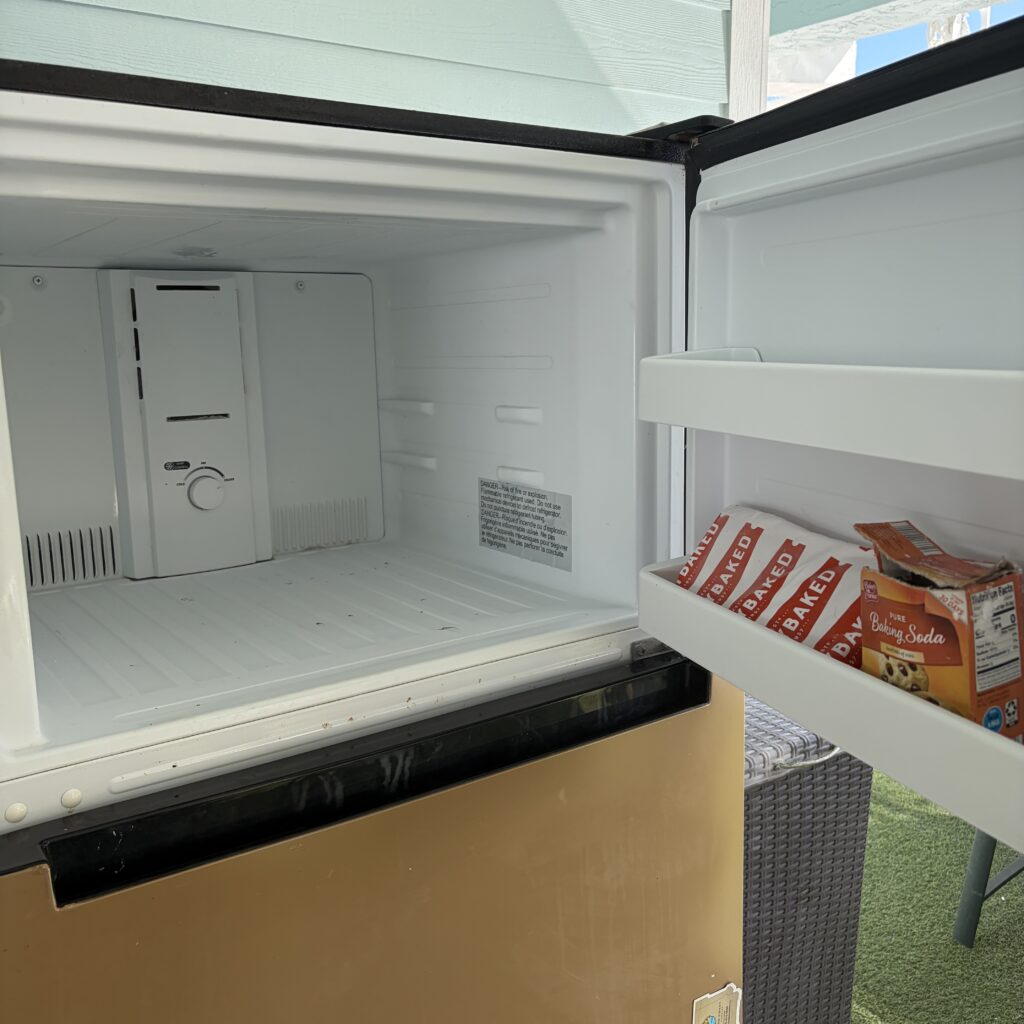
A forgotten bag of bait, leaking seafood, or sticky freezer spill can quickly create odors and guest complaints. Learn how professional freezer cleaning helps Florida Keys vacation rentals remain sanitary, organized, and ready for every arrival.
How Often Should You Deep Clean a Florida Keys Home or Vacation Rental?
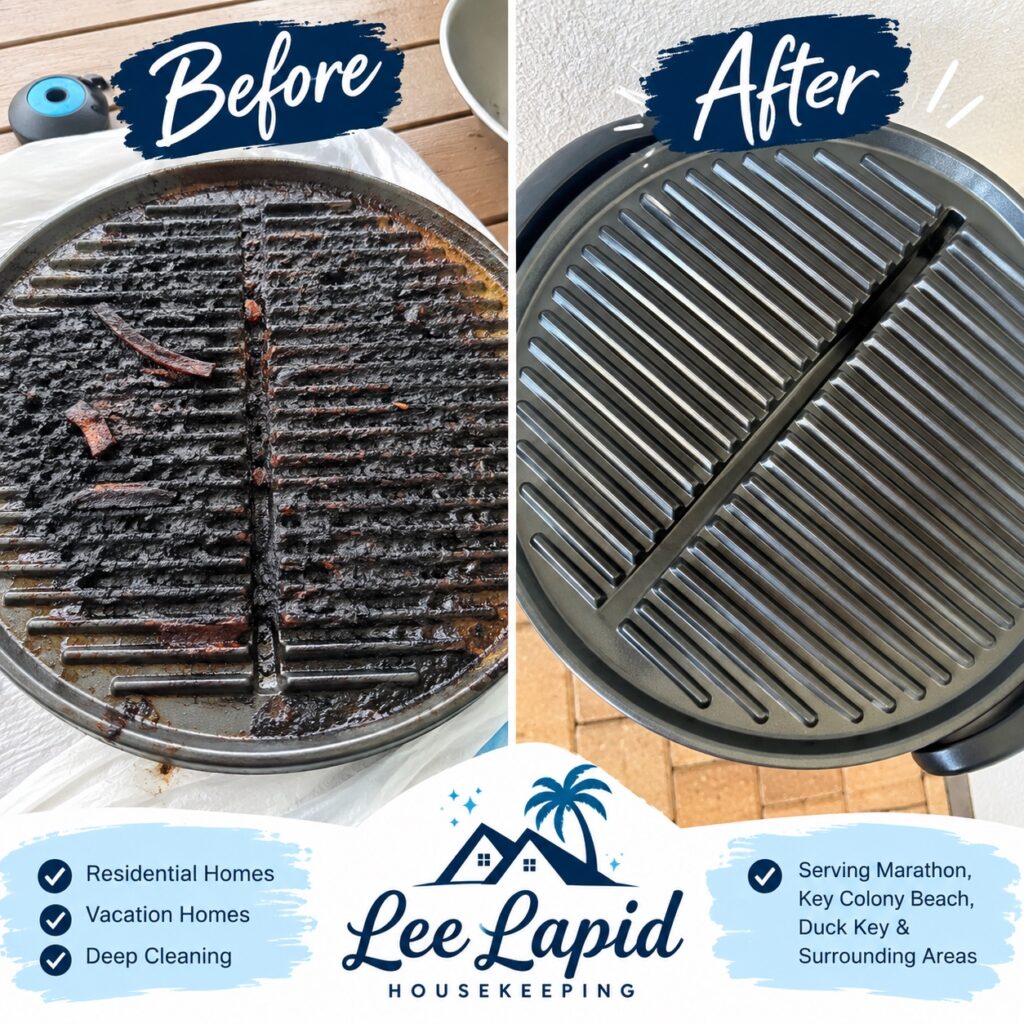
Most Florida Keys homes benefit from professional deep cleaning every three to six months, while busy vacation rentals may need it every one to three months. The right schedule depends on guest turnover, pets, occupancy, ventilation, and exposure to sand, salt, and humidity. For owners comparing options for deep cleaning Florida Keys homes, the best plan combines routine housekeeping with periodic detail work. A routine clean keeps a property comfortable from week to week. Deep cleaning addresses the buildup that regular visits do not always reach: grease around appliances, dust on fan blades, residue along baseboards, debris in tracks, and grime in corners. Lee Lapid Housekeeping provides licensed and insured service for residential homes and vacation rentals in Marathon, Duck Key, Key Colony Beach, and Grassy Key. How Often Should You Schedule Deep Cleaning? Use these intervals as a practical starting point: Property type Suggested frequency Common reasons Primary residence Every 3-6 months Seasonal buildup, pets, cooking residue, dust, and humidity Seasonal or second home At opening and closing, plus as needed Stale air, dust, insects, moisture, and long periods without occupancy Vacation rental with steady bookings Every 1-3 months Frequent turnover, high-touch use, sand, luggage marks, and guest expectations Vacation rental during peak season Monthly or after several back-to-back stays Heavy wear, limited reset time, and greater risk of overlooked buildup Home with pets or allergy concerns Every 1-3 months Dander, hair, tracked-in debris, and dust on overlooked surfaces These time frames are guidelines rather than rigid rules. A lightly used second home may need less frequent service, while a waterfront rental with weekly guests can require more. Property condition should determine the final schedule. Why Florida Keys Properties Need a Local Cleaning Plan Life near the water is beautiful, but the environment creates distinctive housekeeping challenges. Fine sand travels from shoes and beach gear to floors, rugs, showers, and furniture. Salt residue can settle on glass, hardware, and outdoor-facing surfaces. Warm, humid air also encourages odors and buildup in areas with limited airflow. Homes in Marathon often combine full-time living with active vacation use. Properties in Duck Key may include larger kitchens, patios, and guest spaces that need a systematic reset. Rentals in Key Colony Beach frequently face quick changeovers, while residences in Grassy Key can collect outdoor debris from lush surroundings. A cleaner who understands the Middle Keys can plan around these conditions instead of applying a generic checklist. That local knowledge helps protect finishes, catch small concerns, and keep each room looking cared for. What Is Included in Deep Cleaning Florida Keys Homes? A deep clean is a more detailed service than routine housekeeping. Exact tasks should be confirmed before the appointment because the property’s size, materials, and condition affect the scope. Kitchen detail work Degreasing accessible appliance surfaces and cooking areas Cleaning cabinet fronts, backsplashes, and detailed edges Scrubbing sinks, faucets, counters, and high-touch points Addressing buildup on small, removable components when included Wiping baseboards, doors, trim, and reachable fixtures The before-and-after photo in this guide shows why detail work matters. Cooking residue can accumulate gradually until routine wiping is no longer enough. Professional techniques, suitable products, and patient scrubbing can restore a cleaner, more presentable surface without relying on a rushed pass. Bathrooms and bedrooms Detailed cleaning around faucets, fixtures, grout lines, and shower edges Removing soap residue from appropriate surfaces Dusting fan blades, vents, furniture edges, and reachable ledges Wiping doors, handles, switches, baseboards, and trim Vacuuming under accessible furniture and along room edges Living areas and overlooked surfaces Careful dusting of decor, blinds, sills, and reachable light fixtures Cleaning tracks, corners, and floor edges where debris collects Vacuuming upholstery when appropriate and included Removing marks from washable surfaces when safe to do so Finishing floors with a method suitable for the material Some jobs require add-on services, extra time, or specialized vendors. Exterior pressure washing, hazardous-material cleanup, pest treatment, major mold remediation, and repair work are not the same as residential deep cleaning. Clear expectations protect both the property owner and the cleaning team. Deep Cleaning vs. Routine Housekeeping Routine housekeeping handles recurring essentials such as counters, bathrooms, dusting, floors, and trash. Deep cleaning works through detail-heavy tasks that rotate less often. Think of routine service as maintenance and deep cleaning as a periodic reset. Neither service replaces the other. A property that receives only occasional deep cleans can become untidy between visits, while routine service alone may allow hidden buildup to grow. Owners can review our Vacation Rental Owner Resource Center for practical property-care guidance and our guide to deep cleaning vs. routine house cleaning for a closer comparison. Five Signs It Is Time for a Deep Clean Grease returns quickly. Sticky cooking residue remains around the range, backsplash, or appliance edges after normal wiping. Dust appears on overlooked surfaces. Fan blades, vents, trim, blinds, and ledges show visible buildup. Rooms smell stale or musty. Persistent odors can signal that washable surfaces, soft furnishings, or low-airflow areas need attention. Guest feedback mentions cleanliness. Even one detailed comment about corners, tracks, or kitchen items deserves a prompt review. The property is entering a new season. A reset before peak bookings, owner arrival, or reopening creates a cleaner baseline. Waiting for every sign to appear usually increases the time required. A recurring plan for deep cleaning Florida Keys homes can make each service more predictable and help prevent heavy buildup. How to Prepare for a Professional Deep Clean Start by identifying priorities. Share any delicate finishes, damaged areas, locked spaces, pets, or surfaces that require manufacturer-specific care. Remove personal clutter when possible so the cleaning team can spend more time on detail work. Next, confirm the scope in writing. Ask whether interiors of ovens, refrigerators, cabinets, windows, or other time-intensive areas are included. Mention access instructions and parking details before the appointment, especially for gated communities or vacation rentals. Finally, allow enough time. A genuine deep clean is more involved than a turnover or recurring visit. The team should have a realistic
Guest-Ready Beds, Linens, and Towel Presentation in the Florida Keys

A welcoming rental bedroom starts with freshly laundered, fully dry bedding, neatly arranged towels, and space for guests to unpack. Prepare vacation rental linens before adding decorative touches, then check the finished room for hair, stains, missing supplies, and practical comfort. For owners in Key Colony Beach, Marathon, Duck Key, and Grassy Key, a repeatable bedroom setup makes these details easier to manage between stays. Lee Lapid Housekeeping is licensed and insured, serving all four communities with residential and vacation rental cleaning. This guide focuses on bedding, towel presentation, and small arrival touches. Explore our Guest Readiness for Vacation Rentals guide for the broader property checklist. What Makes a Bedroom Ready for Guests? Guest-ready presentation means arranging a cleaned room so visitors can use it comfortably as soon as they arrive. That includes a properly made bed, accessible towels, clear bedside surfaces, and easy-to-find extras. A useful order is clean, inspect, arrange, and check. Decorative pillows and towel art come after the essential work. Start with these priorities: Fresh sheets and pillowcases on every bed prepared for arriving guests. Clean, dry towels counted for the reservation. Bedding checked for stains, hair, damage, and dampness. Working bedside lamps and clear access to outlets. Space for luggage and personal items. A final inspection before the room is ready for check-in. How to Prepare Vacation Rental Linens Between Stays Inspect bedding before making the bed Strip used sheets and pillowcases, then inspect the mattress protector and other bedding layers. Separate stained or damaged pieces so they cannot return to the clean supply by mistake. Check corners, seams, and pillowcases under good lighting. Replace items that remain stained, torn, or unpleasant to use after laundering. Choose a bedding setup that can be maintained within your actual turnover schedule. Washable covers and clearly labeled sizes make it easier to reset each bedroom consistently. Follow care labels and dry everything completely Launder sheets, pillowcases, and towels with detergent at the temperature recommended for the items. Complete drying matters before folding or storing them; clean laundry baskets also deserve attention. These practices follow the CDC’s guidance on cleaning and laundering household items. Keep clean supplies separate from used laundry during the turnover. Wash your hands after handling soiled items before moving on to fresh bedding. Give bulky seams and folded edges a careful check for remaining dampness. If something still feels damp, finish drying it before it goes on the bed or into storage. Plan a simple linen rotation Three complete sheet sets per bed can be a useful starting point: one in use, one being laundered, and one clean backup. This is a planning suggestion, and your laundry turnaround or booking schedule may call for more. For a home with one king bed and two queen beds, that example means three king sets and six queen sets. Label shelves by bed size and keep each set together. A written inventory of vacation rental linens helps owners spot shortages before arrival day. Record each item’s size, condition, storage location, and replacement needs. Make the Bed Look Inviting and Easy to Use Smooth the fitted sheet, center the top layers, and arrange sleeping pillows evenly. Check the finished bed from both sides so an uneven cover or exposed corner does not go unnoticed. Limit decorative pillows to an arrangement guests can easily move. Provide a clean place to put them at bedtime, such as a suitable bench or designated shelf. Coordinate colors with the room without making the setup complicated. Blue-and-white bedding, for example, can support a coastal look while allowing simple white towels to stand out. Keep bedside tables useful. A working lamp, visible outlet, and uncluttered surface leave room for a phone, glasses, or a glass of water. Choose a Towel Presentation That Fits Your Property Towel presentation is the way clean towels are folded, arranged, and placed for guest use. A consistent setup helps arriving guests see what is available. Presentation Useful when Setup detail Neatly folded stacks Guests need to find towels quickly Group matching sizes on a clean, dry shelf. Rolled towels in a basket Storage is limited Use a clean basket and leave room to remove towels easily. Individual towel sets You want a clear count for each guest Keep each set together and check it against the reservation. Swan or heart towel art You want a decorative arrival touch Add it after the room is ready and leave everyday towels accessible. Count usable towels before adding decoration Set a written towel allowance based on occupancy, length of stay, laundry access, and the amenities promised in your listing. As an example, an owner might start with a bath towel and washcloth per guest, shared hand towels, and accessible backups. Longer stays or limited laundry access may require additional supplies. Beach and pool towels should have a separate, clearly marked location when provided. Count decorative towels separately from the everyday supply if guests are expected to leave the display intact. Nobody should need to dismantle an arrangement to find a towel for a shower. Keep towel art simple and practical Two towel swans arranged into a heart can create a charming focal point on a made bed. Symmetry and tidy folds help the display look intentional. Use freshly laundered, fully dry towels and clean hands or a clean work surface. Avoid pins, staples, glitter, or loose decorations that could remain in fabric. Check that any decorative accent is clean and will not transfer color onto bedding. A simple folded arrangement is also a thoughtful choice when a detailed display would be difficult to repeat. Keep Stored Linens Dry and Organized Organized linen storage supports the next turnover as much as the current one. Store clean items on dry shelves and keep them separate from cleaning chemicals, used towels, and guest belongings. The EPA recommends keeping indoor relative humidity below 60%, ideally between 30% and 50% when possible, to help control moisture and mold. A humidity meter can help an owner monitor conditions.
Hurricane Season Property Cleanup & Recovery for Marathon Vacation Rentals
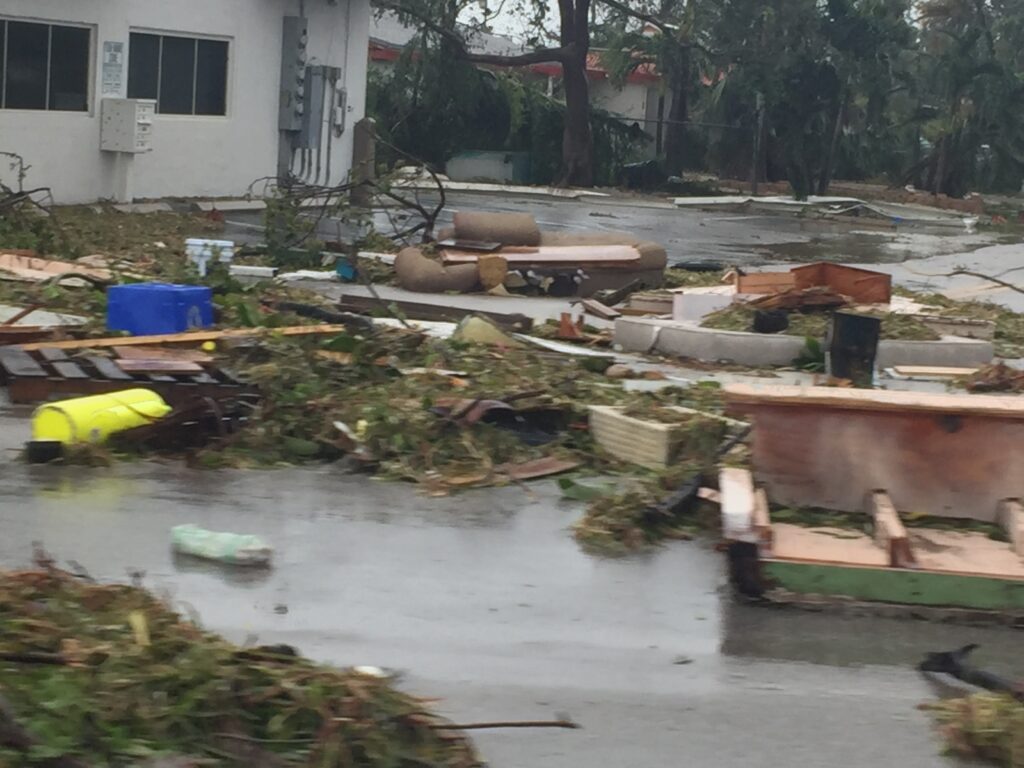
Hurricane season in the Florida Keys doesn’t just test your property’s structure — it tests how fast you can get a vacation rental back on the calendar. A storm that knocks out power for two days can leave a property unrentable for two weeks if the cleanup isn’t handled correctly from the start. Lee Lapid Housekeeping provides hurricane recovery cleaning for Airbnb and VRBO properties throughout Marathon and the Middle Keys — debris removal, sanitization, and mold treatment handled by a team that knows what storm damage actually requires, not just a standard deep clean. Storm damage requires professional recovery, not DIY cleanup What Hurricane Damage Does Hurricanes don’t limit their damage to what’s visible from the street. Storm surge and wind-driven rain push saltwater and debris into places a normal cleaning routine never touches — under appliances, inside wall cavities, and into HVAC systems. Fallen trees and scattered debris outside are often the least of it. Hurricane impact affects both exterior and interior of vacation rentals Inside, saltwater flooding contaminates kitchens fast. Countertops, appliances, and fixtures can look clean on the surface while still carrying bacteria and corrosive salt residue underneath. Saltwater flooding contaminates appliances, countertops, and fixtures Why Professional Recovery Is Essential Mud and storm debris tracked through a property hide the bigger problem underneath: water damage that doesn’t show up until mold takes hold. In the Florida Keys’ heat and humidity, that window is measured in days, not weeks. A property that looks merely messy after a storm can already have moisture trapped in flooring and baseboards that a standard cleaning crew isn’t equipped to find. Hidden water damage and mold risk require professional assessment This is why hurricane recovery isn’t a job for a rental owner or a general cleaning service to tackle alone. It calls for a team that treats every storm-affected property as a mold and contamination risk first, and a cosmetic mess second. Our Process Every hurricane recovery job follows the same disciplined sequence: Debris removal: Fallen branches, storm wreckage, and displaced furniture are cleared from the property inside and out. Sanitization: All contaminated surfaces — kitchens, bathrooms, floors — are disinfected to remove saltwater residue and bacteria. Mold treatment: Bathrooms and other high-moisture areas are inspected and treated for mold growth before it spreads. Deep clean and reset: Once the property is sanitized, it’s returned to guest-ready condition room by room. Before recovery: bathrooms need professional mold treatment and sanitization We work with owners managing properties through both hurricane preparation planning and post-storm recovery, and we coordinate around insurance adjusters and contractors when structural repairs are also underway. Where mold remediation beyond standard treatment is needed, we’ll flag it early so it doesn’t stall your reopening date. Recovery Timeline Every storm is different, but the goal is the same: get your property back on the booking calendar as fast as it can safely go. Debris removal and sanitization typically begin within a day of the property being accessible, with most vacation rentals returned to guest-ready condition well before a standard contractor-led restoration would even start. Professional recovery gets properties guest-ready in days, not weeks We provide hurricane recovery cleaning throughout Marathon and the Middle Keys, including Duck Key, Key Colony Beach, and Grassy Key. If you’re getting a property ready ahead of storm season, our Hurricane Preparation Guide covers what to do before the storm hits. Contact us as soon as your property is safe to access, and we’ll schedule recovery cleaning immediately — storm season doesn’t wait, and neither should your reopening.
Airbnb & VRBO Turnover Cleaning in Marathon, FL
If you manage an Airbnb or VRBO property in Marathon, Florida, you already know that turnover day is the moment that makes or breaks your next review. Guests judge a rental in the first sixty seconds — a spotless kitchen, fresh linens, and a scent-free bathroom set the tone for a five-star stay, while a rushed cleaning job shows up in the reviews within hours of check-in. Lee Lapid Housekeeping specializes in same-day turnover cleaning for short-term rental owners and property managers throughout the Florida Keys. We work around tight checkout-to-check-in windows, follow a consistent room-by-room checklist, and leave every property guest-ready — every time. Our Process Every turnover follows the same disciplined process, so owners get consistent results no matter which member of our team is on site: Strip and reset: All linens, towels, and bath mats are stripped, laundered, and reset to hotel-crisp standards. Deep clean the wet areas: Bathrooms and kitchens get a full sanitizing pass — counters, sinks, tubs, showers, and appliances inside and out. Detail the living spaces: Dusting, floor care, trash removal, and a full walkthrough to reset furniture and decor. Restock and stage: Toiletries, paper products, and welcome touches are restocked and staged for the next arrival. Final inspection: A checklist-driven walkthrough confirms the property is 100% guest-ready before we leave. All supplies and equipment are included in every turnover — owners never need to stock or restock cleaning products themselves. Why Marathon & the Keys Marathon sits at the heart of the Florida Keys’ short-term rental market, and the properties here have needs that mainland cleaning services simply aren’t built for: salt air, sand, humidity, and the wear that comes with constant guest turnover. We’ve cleaned vacation rentals throughout the Middle Keys for over 25 years and know what island properties need to stay guest-ready season after season. That local knowledge extends beyond Marathon itself. We also provide dedicated turnover cleaning in Duck Key, Key Colony Beach, and Grassy Key — so owners with multiple properties across the Middle Keys can rely on one consistent team. You can see our full range of services on our Marathon cleaning services page. Outdoor living is a big part of what makes a Keys rental stand out, and we treat it that way. Grills, patios, and outdoor kitchens get the same attention as the interior, because those are the amenities that turn a good listing into a five-star one. We work directly with owners who self-manage through Airbnb property management tools as well as owners using VRBO vacation rental cleaning coordination, and we’re comfortable communicating through whichever platform or process you already use. How to Schedule Turnover scheduling in the Keys has to be flexible — same-day bookings, tight checkout windows, and last-minute guest changes are the norm, not the exception. We build our schedule around your calendar, not the other way around, including pet-friendly service for properties that welcome traveling pets. Ready to add a reliable turnover team to your property? Contact us to set up recurring turnover cleaning or request a one-time quote, and we’ll walk you through pricing, availability, and how we handle your specific property. Lee Lapid Housekeeping is a family-owned business that has served the Florida Keys for more than 20 years. We treat every property like it’s our own listing on the line — because for you, it is.
Guest Readiness for Vacation Rentals in the Florida Keys
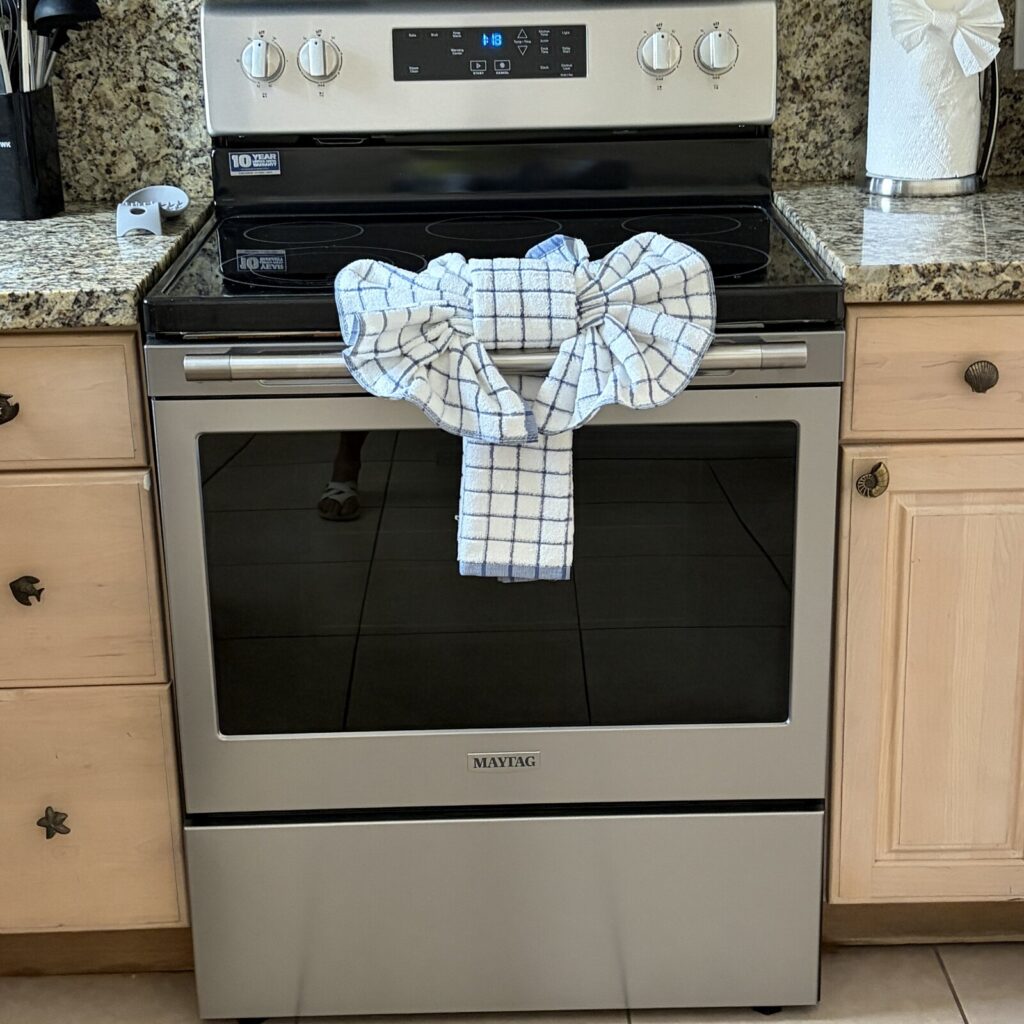
What should you do to prepare your vacation rental for incoming guests? Guest readiness for vacation rentals means your property is clean, organized, fully stocked, and truly ready to welcome someone the moment they walk through the door. Every surface should shine, every amenity should work, and nothing should feel overlooked. For owners in Marathon, Duck Key, Key Colony Beach, and Grassy Key, this standard isn’t optional — it’s what separates a five-star stay from a disappointing one. Think of guest readiness as the finish line of every turnover. Cleaning crews scrub the floors and change the linens, but readiness goes further: it covers stocked supplies, working electronics, and small welcoming touches that guests notice immediately. Arriving travelers judge a property within the first sixty seconds. That first impression determines whether they relax and enjoy their stay or start hunting for problems. This guide breaks down exactly what guest readiness looks like room by room, town by town. Whether you manage a condo in Key Colony Beach or a canal-front home in Duck Key, the same core principles apply. Marathon and Grassy Key owners will find the same checklist just as useful, since guest expectations rarely change from one neighborhood to the next. What Is Guest Readiness? Guest readiness is the state of a vacation rental being completely clean, organized, and prepared to welcome guests the moment they arrive. It goes beyond a quick tidy-up. A guest-ready home has fresh linens, stocked essentials, working appliances, and zero maintenance surprises waiting for the next visitor. Turnover cleaning and guest readiness are related, but they aren’t identical. The cleaning refers to the physical process between guest stays — vacuuming, sanitizing, laundering. Readiness includes that work plus the finishing touches: restocked supplies, staged furniture, and a final walkthrough to confirm everything functions properly. Owners across Marathon often ask where the line falls between the two. The simplest answer: cleaning is the process, readiness is the result. A home can be spotless and still fail the readiness test if the WiFi password is missing or the thermostat is broken. Why Guest Readiness for Vacation Rentals Matters Reviews make or break a vacation rental business. Guests who arrive to a spotless, well-stocked property tend to leave glowing feedback, while those who find dust or missing supplies rarely stay quiet about it. Every negative review chips away at future bookings, so first impressions carry real financial weight. Professional guest readiness protects your investment in more ways than one. It reduces wear and tear from rushed turnovers, keeps appliances running longer, and builds a reputation that commands higher nightly rates. Guests notice when an owner cares about the details, and they reward that care with repeat bookings. First impressions extend beyond cleanliness alone. Working locks, charged smoke detectors, and functioning air conditioning all fall under the same readiness umbrella. A licensed and insured cleaning team checks these details as part of every turnover, giving owners peace of mind between bookings. Major booking platforms echo this expectation. VRBO guest readiness standards emphasize cleanliness, functioning amenities, and accurate descriptions as the baseline for strong guest reviews. Meeting that bar consistently is what turns one-time guests into repeat visitors. Essential Guest Readiness Checklist Use this guest readiness for vacation rentals checklist before every guest arrival to confirm nothing was missed. Kitchen: Clean appliances, wiped counters, and stocked coffee Kitchen: Dishwasher empty and ready for the next load Bedrooms: Fresh linens on every bed Bedrooms: Extra blankets folded neatly in the closet Bathrooms: Stocked toilet paper and fresh towels Bathrooms: Clear countertops and organized under-sink storage Living Areas: Working TV remotes and a posted WiFi password Living Areas: Vacuumed floors and dust-free surfaces Outside: Clear garbage bins and a tidy entryway Outside: Functioning outdoor lighting and secure locks Whole Property: Thermostat set to a comfortable temperature Whole Property: No lingering odors anywhere in the home Room-by-Room Guest Readiness Standards General checklists only go so far. Below is a closer look at what guest readiness standards look like in each part of the home. Bedrooms Fresh linens set the tone for the entire stay. High-quality sheets with a solid thread count feel noticeably better than budget alternatives, and guests do notice the difference. Extra blankets stored in the closet cover cooler nights without requiring a call to the owner. Nightstand lamps should work on the first try, every time. Burnt-out bulbs are a small detail that guests remember for the wrong reasons. Clear closet space also matters, since guests need somewhere to unpack during a week-long stay. For a repeatable bedroom setup, see our linen rotation and towel presentation tips. Bathrooms Quality toiletries — shampoo, soap, and lotion — signal that an owner cares about comfort, not just cleanliness. Fresh, fluffy towels are equally important; the guest-ready standard means towels that are soft, stain-free, and replaced between every stay. A worn or scratchy towel undoes an otherwise spotless bathroom. Exhaust fans need to run properly to prevent moisture and mold from building up in a humid climate. Under-sink storage should stay organized rather than crammed with old cleaning supplies. Shower curtains and glass doors should look streak-free and free of soap scum. Many vacation rental owners in Duck Key and Marathon overlook bathroom details — don’t be one of them. Guests inspect bathrooms closely, often within minutes of arrival. A little extra attention here pays off in the reviews. Kitchen & Dining Areas Appliances deserve special attention during every turnover. A spotless stainless steel range and organized granite countertops signal guest readiness before a guest even opens a cabinet. Fingerprints, grease, and water spots are easy to miss but impossible for guests to ignore. Cabinets and drawers should stay organized, and labeling them helps guests find dishes and utensils without hunting. Stocked essentials — coffee, tea, basic spices, and cooking oil — make a kitchen feel truly guest-ready. Clear countertops leave room for groceries and meal prep from day one. A working dishwasher rounds out the kitchen checklist. Nothing frustrates a
Preparing Your Vacation Rental for Hurricane Season in the Florida Keys

Introduction Hurricane season in the Florida Keys runs from June through November—and for vacation rental owners in Marathon, Duck Key, Key Colony Beach, and Grassy Key, hurricane preparation for vacation rentals isn’t optional. It’s essential. When you own a vacation rental in the Middle Keys, you’re protecting both your asset and your guests’ safety. A well-prepared property experiences less damage, recovers faster, and maintains guest confidence even during storm alerts. Neglecting hurricane preparation can lead to costly water intrusion, mold growth, structural damage, and liability issues that linger long after the storm passes. This guide covers the complete process: securing your property, protecting systems, managing water risk, and why professional inspection and cleaning before hurricane season gives you peace of mind. Whether you manage one property or multiple units across Marathon and the Keys, these steps apply to vacation rentals of any size. Why Hurricane Preparation for Vacation Rentals Matters Vacation rental properties face unique hurricane risks. Unlike primary residences where owners make judgment calls daily, vacation rentals operate with rotating guests, seasonal turnover, and tight scheduling. A hurricane can arrive with little warning—and you need systems in place that work whether you’re on-site or managing remotely. Key risks vacation rental owners face: Water intrusion through windows, doors, and roof penetrations Flooding in ground-level units and coastal properties Mold and mildew growth in humid, wet conditions Furnishings and appliances destroyed by saltwater damage Guest cancellations and revenue loss during season recovery Liability if guests are injured due to inadequate preparation Property damage claims and insurance complications The advantage of professional preparation: Licensed, insured cleaning and inspection services catch issues before the storm—loose caulk around windows, clogged gutters, compromised weatherstripping, or water damage from previous storms that weakened structural integrity. One pre-season inspection can prevent tens of thousands in damage. When to Prepare: The Timeline June: Review your insurance policy. Verify coverage limits, deductibles, and what’s included (or excluded). Contact your agent now—after storm season, you won’t reach anyone. July–August: Schedule property inspection and professional cleaning. This is when contractors have availability; wait until September and you’ll join a three-month queue. September 1: Complete all structural prep, cleaning, and testing. October–November: Maintain readiness. Check weather forecasts weekly via the National Hurricane Center for the latest tracking and landfall projections. Perform quick touchups before any named storm. Securing Windows, Doors, and Roof Access Inspect and Seal Windows Windows are the most common entry point for hurricane-force winds and driving rain. Loose frames, missing caulk, or deteriorated weatherstripping create vulnerabilities that expand under pressure. Action steps: Walk around your property with a flashlight. Look for visible gaps or separation between the window frame and the wall. Run your hand around the interior seal. If you feel draft or air movement, the weatherstripping is compromised. Check caulk along the exterior. Cracking, gaps, or missing sections allow water infiltration. Test each window and door. They should open and close smoothly without binding or gaps. For vacation rentals in Marathon, Duck Key, and Key Colony Beach: Salt air corrodes metal frames and degrades sealants faster than mainland properties. Have a professional inspect at least annually during hurricane season. Professional solution: Licensed contractors can re-caulk, replace weatherstripping, or install hurricane-rated film—a transparent polyester layer that holds glass together if impact occurs. This protects both structure and guests. Secure Doors and Sliders Sliding glass doors and French doors experience enormous outward pressure during hurricanes. Even new installations can fail without proper reinforcement. Verify both the upper and lower tracks slide freely and close completely. Check that deadbolt locks engage fully. Inspect door frames for rot or deterioration, especially in ground-level units. Ensure door sweeps and gaskets are intact. Reinforcement options: For maximum protection, install hurricane-rated sliders or impact-resistant frames. For temporary reinforcement, plywood installation over glass doors (pre-cut and pre-drilled) provides structural backup. Many vacation rental owners in Grassy Key and Duck Key keep pre-cut plywood sets ready each September. Check Roof and Upper Story Entry Points Water enters from above first. Roof penetrations—vents, skylights, HVAC openings, antenna mounts—are pressure points. Walk the roof (safely) and look for missing shingles, lifted edges, or deteriorated flashing. Check around every vent and pipe penetration. Caulk should be intact. Verify gutters are clear and securely fastened. Look for any areas where branches overhang the roof. Professional roof inspection by a licensed contractor is one of the highest-ROI pre-season investments. A $200 inspection often prevents $20,000 in water damage. Water Damage Prevention and Moisture Control Water damage compounds quickly in humid climates. Within 24–48 hours of moisture exposure, mold colonies begin forming. By day 5, structural damage becomes permanent. Even properties that appear clean on the surface can hide moisture and water damage. Professional assessment uncovers vulnerabilities before hurricane season. Protect Ground-Level Units and Basements Coastal and ground-level vacation rentals in Marathon and Key Colony Beach face the highest flood risk. Install sump pumps or backup pumps on a separate power source. Move electrical panels and utilities above expected flood levels where possible. Keep basement or ground-floor areas clear of stored items that can’t survive moisture. Store important documents and valuables on upper levels. For vacation rentals: Consider flood barriers or temporary levees around entry doors if your property is in a high-risk zone. These inflate or deploy quickly and cost $300–$800 per unit—far cheaper than flood damage cleanup. Dehumidify Closed Properties An empty, sealed vacation rental becomes a humidity trap. Rising moisture encourages mold growth and odor. Leave interior doors open to allow air circulation. Install battery-powered or solar-powered ventilation fans. If the property is unoccupied, consider leaving a window slightly cracked (with board reinforcement over it) to allow air flow. Use commercial-grade dehumidifiers in bedrooms and storage areas during high-humidity months. Property Contents and Asset Protection Photograph Everything Before hurricane season begins, photograph and video-record your vacation rental’s contents—furniture, appliances, fixtures, amenities, and condition. Take dated photos of each room, including close-ups of any pre-existing damage. Record exterior views, roof condition, landscaping, and parking areas. Store photos in cloud